The henna industry continues to evolve as consumers become more conscious about ingredients, safety, and sustainability. For wholesalers, choosing between natural and chemical henna powder is not just a sourcing decision—it is a long-term business strategy. The supplier you select directly affects your product reputation, repeat sales, and compliance with market standards.
If you are evaluating a Natural henna powder supplier, it is important to understand how natural formulations differ from chemical alternatives in terms of quality, consumer demand, and regulatory expectations. This guide will help wholesalers make informed decisions while maximizing profitability in the competitive henna market.
Natural Henna Powder: Market Demand, Purity Standards, and Long-Term Business Growth
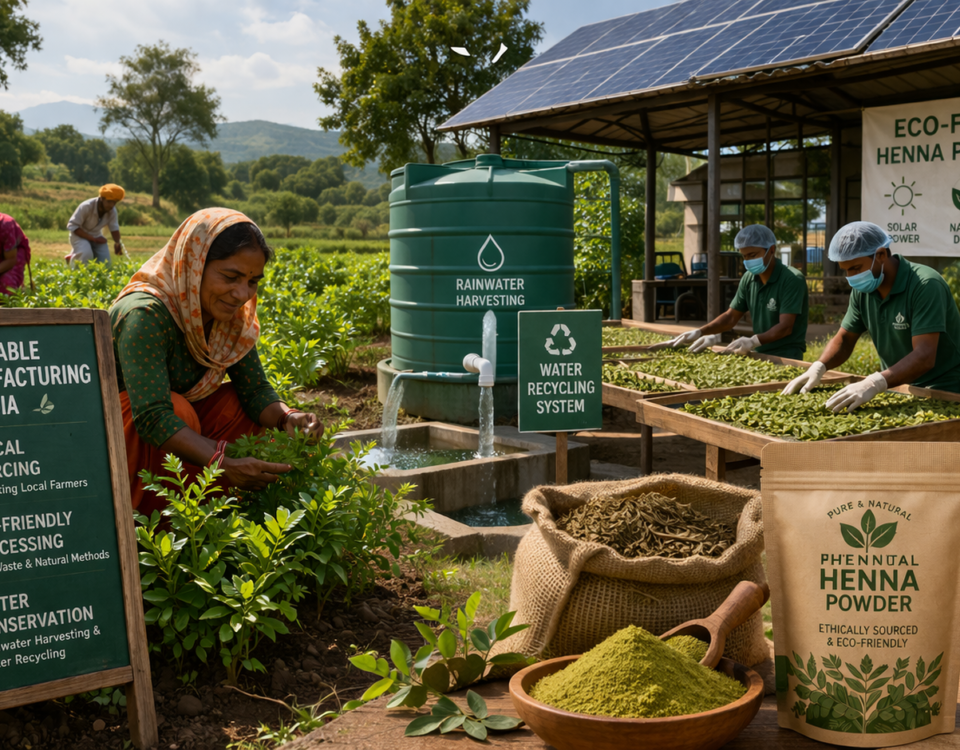
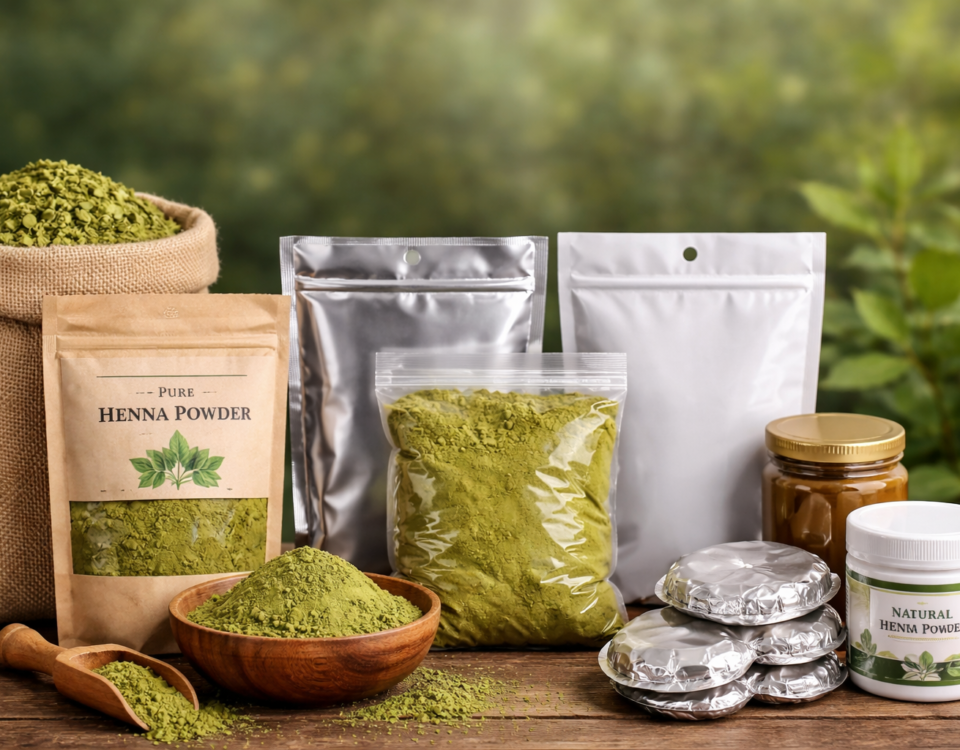
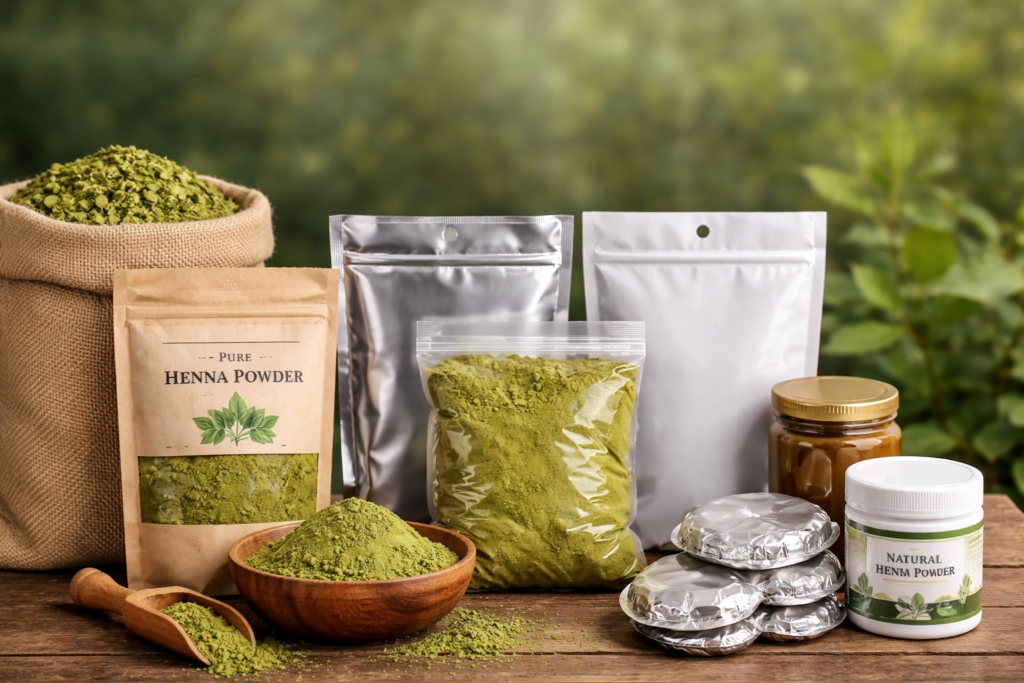
Natural henna powder is made by drying and finely grinding henna leaves without adding synthetic dyes, metallic salts, or artificial color enhancers. A reliable Natural henna powder supplier focuses on preserving the plant’s original dyeing properties while maintaining hygienic processing standards.
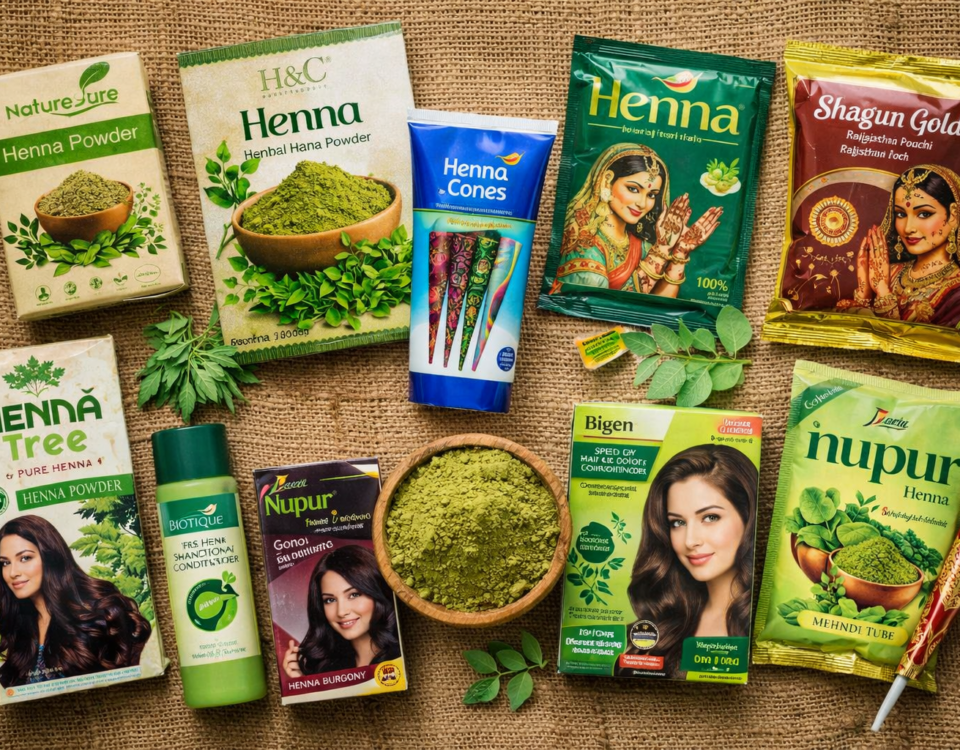
In today’s market, customers actively search for clean-label beauty products. The demand for products from an Organic henna powder manufacturer is increasing because consumers prefer solutions that are free from harmful chemicals. Natural henna is especially popular among individuals who use it regularly for hair conditioning and scalp care.
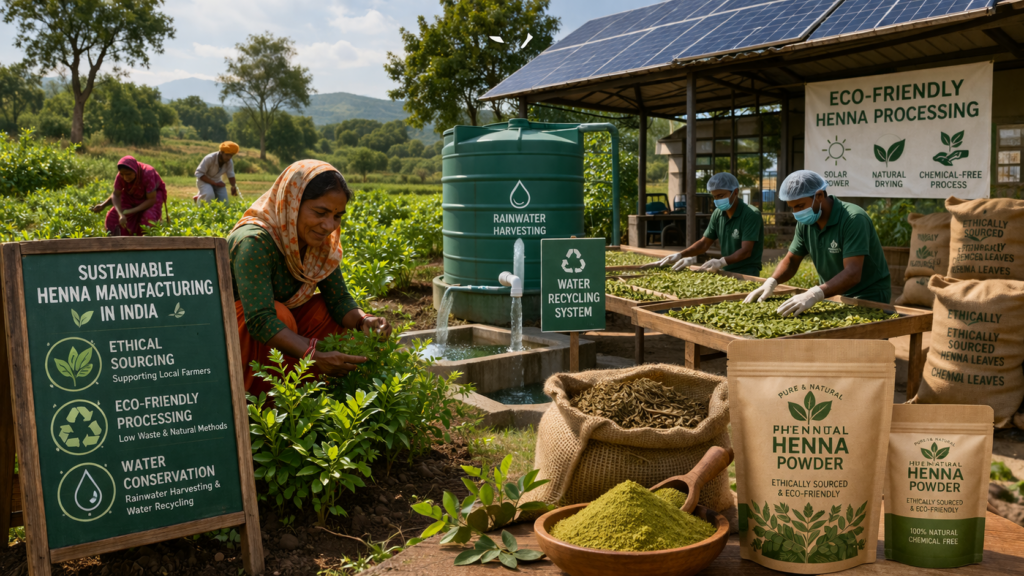
For wholesalers, purity translates into brand trust. When you source from a Certified henna manufacturer in India, you gain documented assurance of quality control, proper drying methods, and contamination-free production. Certifications help wholesalers expand into premium retail segments and even export markets.
Additionally, natural henna offers better long-term positioning. While it may not deliver instant dark stains like chemical variants, it provides safe, consistent, and predictable results. Retailers appreciate this reliability because it reduces customer complaints. Working with a Chemical free henna supplier also allows wholesalers to market their products as safe, traditional, and environmentally responsible.
When dealing in Wholesale henna powder in India, consistency is critical. Bulk buyers expect uniform texture, strong color release, and fresh aroma. A dependable supplier ensures batch-to-batch consistency, which strengthens wholesaler-retailer relationships and drives repeat orders.
Chemical Henna Powder: Cost Advantages and Hidden Business Risks
Chemical henna powder often includes artificial dyes such as synthetic color boosters that provide immediate darker shades. For some markets, this may appear appealing due to faster visible results. However, wholesalers must carefully evaluate the long-term implications.
Unlike a professional Natural henna powder supplier, chemical-based producers may not always prioritize ingredient transparency. Certain additives can cause scalp irritation or allergic reactions. If customers face negative experiences, wholesalers risk damaging their brand credibility.
Another concern is regulatory compliance. Increasingly, authorities and marketplaces are demanding safer cosmetic ingredients. Partnering with a non-certified manufacturer can create legal complications. Choosing a Certified henna manufacturer in India minimizes these risks and ensures adherence to production standards.
While chemical henna may offer lower initial purchase prices, it rarely supports premium branding. In contrast, sourcing from an Organic henna powder manufacturer provides wholesalers with a competitive edge in health-conscious markets. Over time, the higher customer retention associated with natural products often outweighs the small savings offered by chemical variants.
Wholesalers who aim for sustainable growth generally prefer Wholesale henna powder in India that aligns with clean beauty trends. Investing in a reputable Chemical free henna supplier helps secure long-term demand and stable profitability.
Strategic Considerations Before Finalizing a Henna Supplier
Before committing to any supplier, wholesalers should perform detailed evaluations beyond pricing discussions.
First, assess ingredient transparency and documentation. A trustworthy Natural henna powder supplier should provide lab reports, safety data sheets, and product specifications. Transparency builds retailer confidence.
Second, examine production capacity. As your distribution network expands, your Organic henna powder manufacturer must be able to fulfill increasing bulk orders without compromising quality.
Third, verify certifications. A Certified henna manufacturer in India demonstrates adherence to hygiene standards and proper manufacturing practices, which strengthens your wholesale positioning.
Fourth, consider branding flexibility. Many suppliers of Wholesale henna powder in India offer private labeling options. Customized packaging can significantly enhance your market visibility.
Finally, analyze long-term trends. The demand for chemical-free products is steadily rising. Aligning with a dependable Chemical free henna supplier positions your business for future growth and competitive differentiation.
Conclusion
Selecting between natural and chemical henna powder is a critical decision for wholesalers seeking long-term success. Partnering with a Natural henna powder supplier ensures product purity, consistent quality, and stronger customer trust. An Organic henna powder manufacturer supports sustainable sourcing and meets rising demand for clean beauty products. Choosing a Certified henna manufacturer in India protects your business from compliance risks while enhancing credibility in competitive markets. Wholesale henna powder in India sourced from a reliable Chemical free henna supplier allows wholesalers to build premium brand positioning and secure repeat orders. Although chemical options may appear cost-effective initially, natural partnerships deliver lasting profitability, improved reputation, and stable growth in the evolving henna industry landscape.