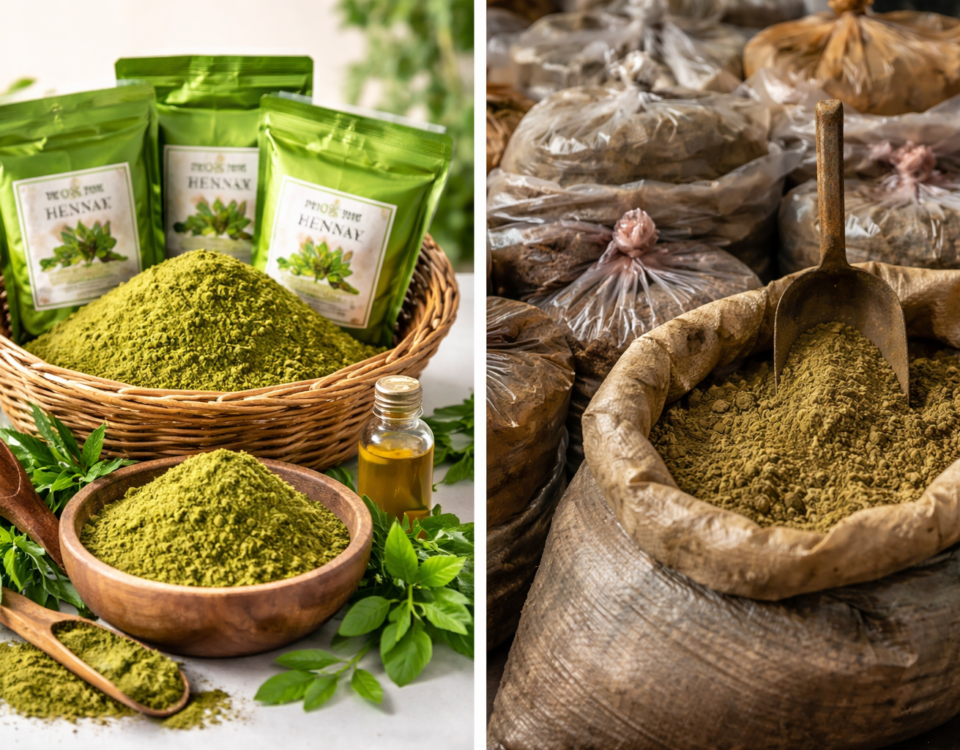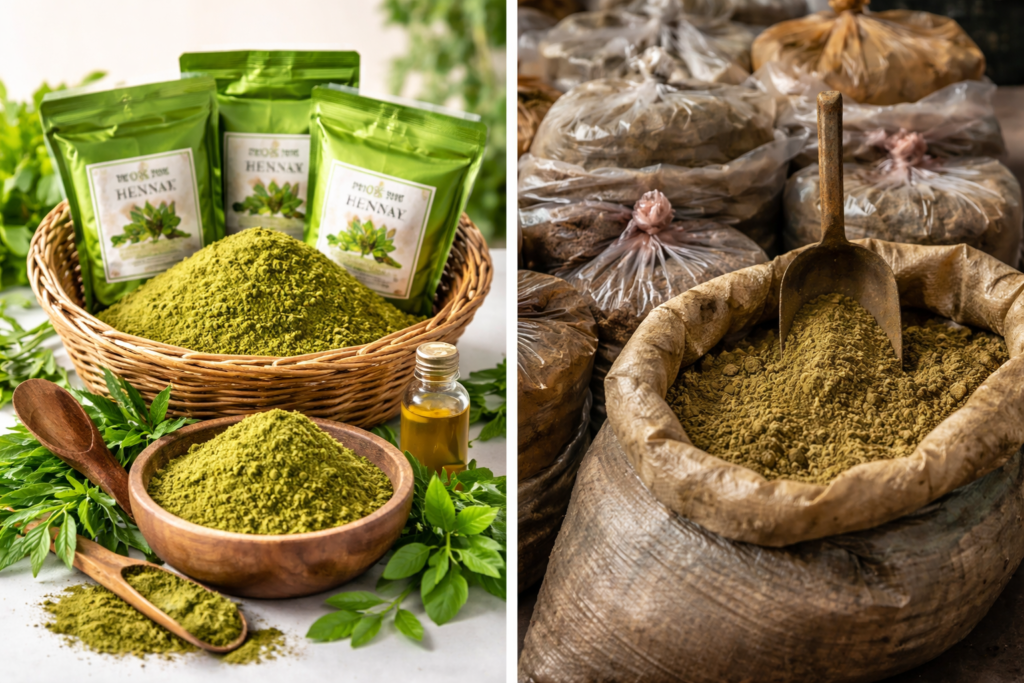
Henna has been used for centuries across cultures for hair coloring, scalp care, and body art. Traditionally, pure henna powder—made from dried Lawsonia inermis leaves—has been the go-to option. However, in recent years, herbal henna has become increasingly popular because it combines henna with other beneficial plant ingredients.
Many buyers also want to understand the difference between natural and chemical henna before purchasing. You can explore this in detail in our guide on natural vs chemical henna powder.
This shift has led to the growth of specialized manufacturers. Today, a Herbal henna manufacturer India focuses on creating herbal formulations designed for better hair nourishment, color enhancement, and convenience. To understand this evolution, it’s important to explore how herbal henna differs from traditional pure henna and why the manufacturing process plays a critical role.
Understanding Pure Henna
Pure henna is simply powdered henna leaves without any additional ingredients. When mixed with water, the powder releases a natural dye called lawsone, which binds with hair proteins to create a reddish-brown stain.
Key Characteristics of Pure Henna
Pure henna products typically offer:
- A single natural color tone (reddish or copper)
- Conditioning benefits for hair
- Natural scalp cooling properties
- Long-lasting staining ability
While pure henna is valued for its simplicity, it can sometimes be limiting for users who want different shades or additional hair benefits. That is where herbal henna formulations come into play.
What Is Herbal Henna?
Herbal henna is a carefully balanced blend of henna powder and other plant-based ingredients that support hair health and color variation. These blends may include herbs known for strengthening hair, improving scalp health, and adjusting color tones. Many businesses source these blends through wholesale henna powder suppliers to ensure consistent quality and supply for hair care products.
The concept behind herbal henna is not just coloring hair but also providing a more holistic hair treatment. The added herbs enhance the overall effectiveness of the product while maintaining its natural identity.
How Herbal Henna Is Manufactured
Producing herbal henna involves more steps than processing pure henna. Manufacturers must carefully select ingredients, maintain proper ratios, and ensure consistent quality across batches.
Ingredient Selection
The manufacturing process begins with sourcing high-quality henna leaves and complementary herbs. A trusted Ayurvedic henna manufacturer focuses on traditional plant ingredients that have long been used in hair care.
These herbs may support hair strength, improve shine, or balance scalp conditions.
Cleaning and Processing
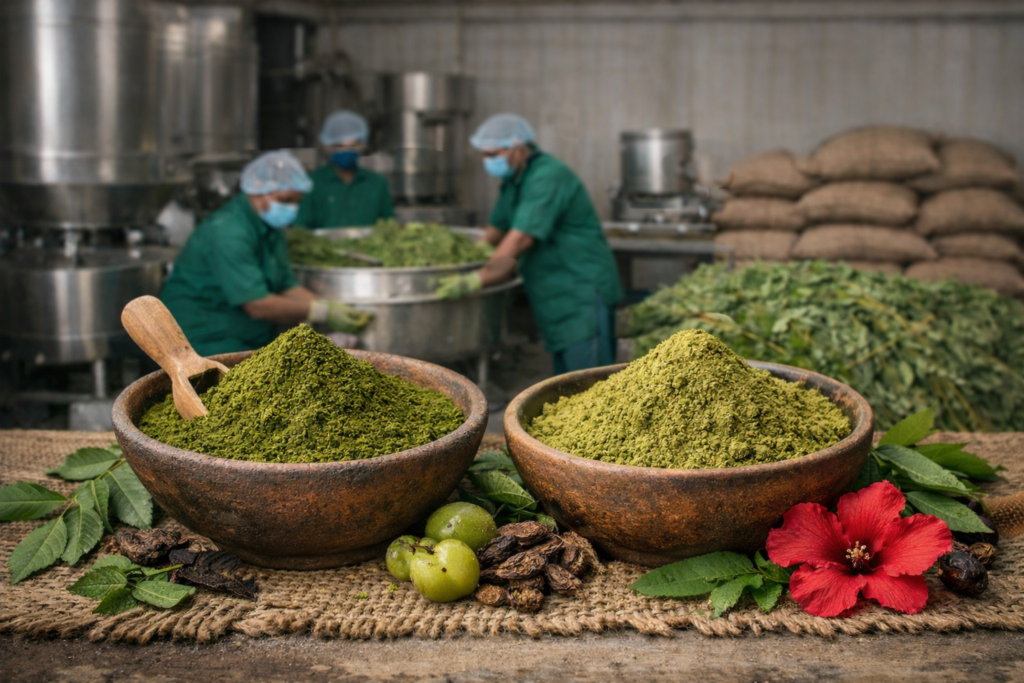
Raw leaves and herbs go through a cleaning and drying stage to remove dust, impurities, and moisture. This step ensures the final product remains safe and stable.
After drying, the materials are ground into fine powder using specialized milling equipment.
Blending the Herbs
At this stage, manufacturers combine henna powder with selected herbs in carefully measured proportions. A professional Henna herbal blend manufacturer ensures that each ingredient contributes to the final performance without overpowering the natural properties of henna.
The goal is to create a balanced formula that provides both color and nourishment.
Quality Testing
Before packaging, the powder is tested for:
- Microbial safety
- Particle size consistency
- Natural color release
- Moisture levels
Reliable companies also verify that the product remains free from harmful chemicals and synthetic dyes.
Packaging and Distribution
Once quality checks are complete, the powder is packaged in moisture-resistant containers to maintain freshness. Many manufacturers also operate as a Herbal henna powder supplier, distributing products to salons, cosmetic brands, and international markets.
Proper packaging helps preserve the effectiveness of herbal ingredients and ensures the powder remains easy to use.
Key Differences Between Herbal Henna and Pure Henna
Understanding the difference between these two types of henna helps consumers choose the right option for their hair needs.
Ingredient Composition
Pure henna contains only powdered henna leaves, while herbal henna includes additional plant ingredients designed to enhance the formula.
These herbs may support hair conditioning, scalp balance, and color variation.
Hair Benefits
Pure henna mainly offers coloring and conditioning. Herbal henna, on the other hand, provides multiple hair benefits because of the combination of herbs included in the blend.
This makes herbal formulas appealing to users seeking both cosmetic and hair-care advantages.
Shade Variety
Pure henna produces a limited color range. Herbal henna blends allow manufacturers to influence color tones by adjusting herbal combinations.
This flexibility allows users to achieve darker, cooler, or richer shades.
Ease of Application
Some herbal blends are designed to mix more easily and provide smoother application. Additional herbs can also help reduce the dryness sometimes associated with pure henna treatments.
Market Demand
Today’s consumers often prefer products that offer multiple benefits in a single application. Herbal henna meets this expectation by combining natural hair color with traditional herbal care.
As a result, herbal henna products are becoming increasingly popular in global hair-care markets.
Why Herbal Henna Is Growing in Popularity
Several factors are driving the growing demand for herbal henna products. Many consumers are moving away from chemical hair dyes and choosing plant-based alternatives, making herbal henna a natural option.
Herbal blends also support hair health while providing color, which appeals to people seeking long-term hair care benefits. In addition, ongoing innovations in blending, grinding, and packaging have made herbal henna easier and more convenient for both personal and professional use.
Conclusion
Herbal henna is a modern version of traditional henna that combines natural coloring with herbal hair care benefits. Instead of using only pure henna powder, these blends include plant ingredients that help nourish hair, support scalp health, and improve color results.
The manufacturing process involves careful ingredient selection, proper blending, and quality checks to ensure the product remains natural, effective, and safe for regular use.
For consumers and brands seeking plant-based hair solutions, partnering with a trusted Herbal henna manufacturer India helps ensure consistent quality and reliable natural hair care products.