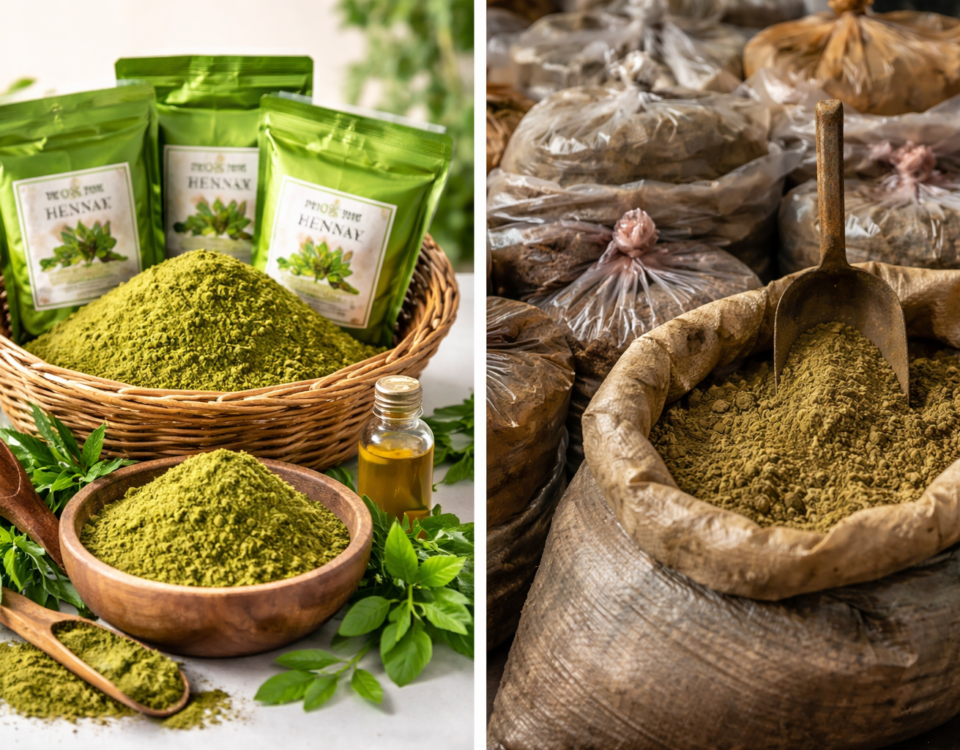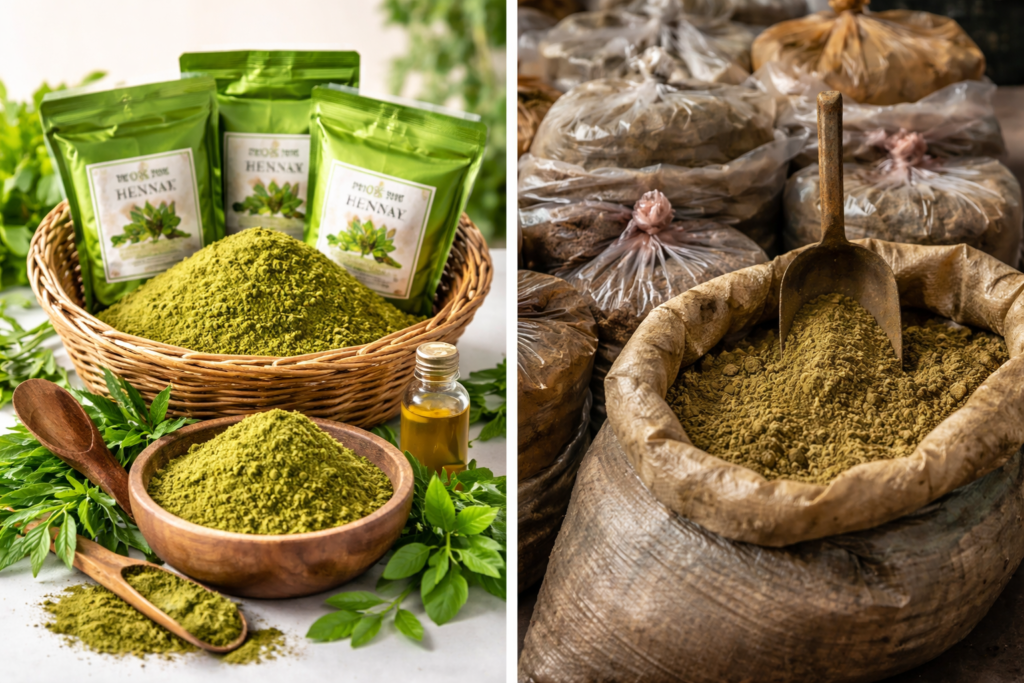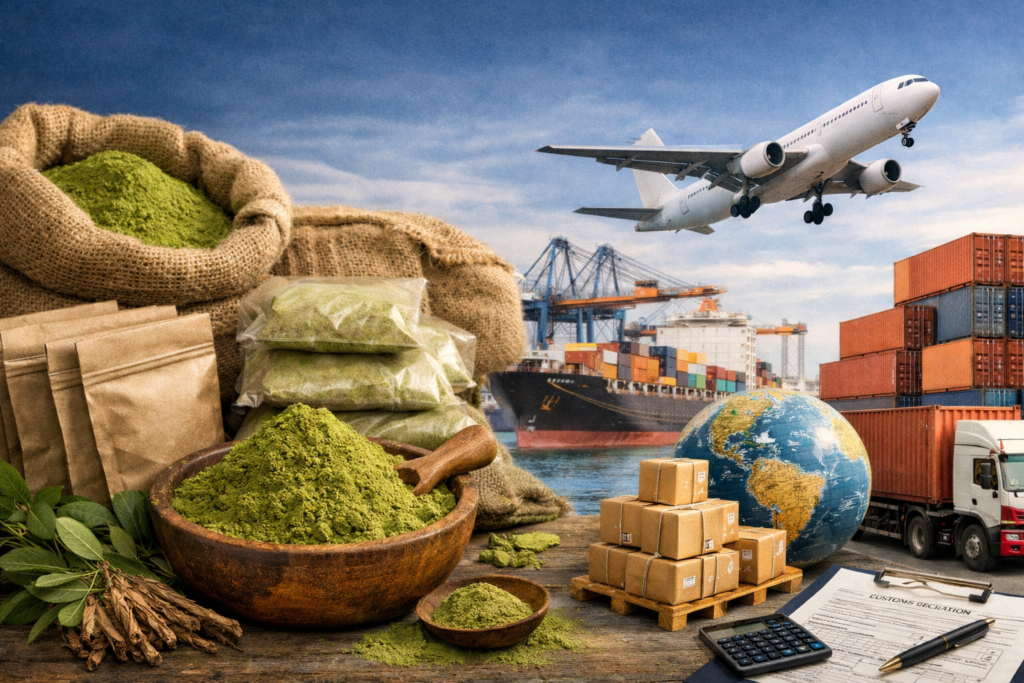
Henna powder, a widely used product in cosmetic, art, and beauty applications, is a significant export commodity for India. The demand for henna has skyrocketed due to its natural and skin-friendly properties. However, for a Henna exporter in India, exporting henna powder comes with several challenges. The hurdles often involve quality assurance, logistical issues, market penetration, and regulatory complexities. This blog explores these challenges in detail and provides practical solutions for overcoming them.
Challenges Faced by Henna Exporters in India
1. Ensuring Consistent Quality of Henna Powder
As a bulk wholesale henna powder supplier, one of the biggest challenges is maintaining consistent quality. Since henna is a natural product, the quality can vary depending on factors such as the soil, weather conditions, and harvest time. Moreover, the henna leaves need to be carefully processed to ensure they maintain their vibrant color and are free from impurities.
Solution:
To tackle this, it is essential for a henna wholesale supplier to work with reliable farms and suppliers that follow strict quality control measures. Building long-term relationships with farmers who grow henna in controlled conditions can help maintain consistency.
2. Managing Packaging and Storage
Packaging plays a vital role in ensuring the longevity and usability of henna powder during transportation. Poor packaging can lead to contamination, loss of potency, and spoilage. As a best henna manufacturer in India, it is important to invest in high-quality, eco-friendly packaging solutions that keep the product fresh and secure during long shipping times.
Solution:
Proper sealing techniques, airtight packaging, and temperature-controlled storage options can mitigate this issue. Using packaging that is both practical and eco-friendly will also attract international markets that value sustainable practices.
3. Navigating International Regulations and Compliance
For any direct henna manufacturer, one of the most complex challenges is complying with international regulations. Different countries have varying standards for cosmetic products, and it’s crucial to ensure that henna powder meets the safety and quality standards of the target export market.
Solution:
Before exporting, it’s vital for Henna exporter India to conduct thorough research into the regulations of each target market. Ensuring proper certification (like ISO or GMP certifications) and adhering to international standards can help mitigate this challenge.
4. Competition in the Global Market
The global demand for henna powder has attracted numerous competitors, making the market highly competitive. For a bulkhenna powder supplier, standing out from the competition is essential to secure and retain clients.
Solution:
Developing unique selling propositions (USPs) such as organic henna, custom packaging, and bulk pricing can help distinguish one supplier from another. Investing in online marketing strategies, showcasing product quality, and building a reputation as a best henna manufacturer in India are ways to stay ahead in the competitive market.
5. Logistical Issues and Shipping Delays
Shipping henna powder internationally involves complex logistical coordination. From choosing the right shipping methods to navigating customs, there are several hurdles to overcome. Delays in shipping, especially due to unpredictable factors like weather or customs processing, can harm a brand’s reputation.
Solution:
A direct henna manufacturer should collaborate with reliable freight forwarders, use shipping methods that are best suited for perishable goods, and ensure a seamless supply chain process. A proactive approach to logistics can minimize delays and maintain consistency in product delivery.
Solutions to Overcome Challenges in Henna Powder Exporting
1. Establishing Strong Supplier Relationships
Building strong relationships with local henna farmers and suppliers can provide a consistent source of high-quality raw materials for henna export in India. By working closely with trusted growers, a bulk henna powder supplier can ensure that the leaves used in the production of henna powder are of the highest quality.
2. Implementing Stringent Quality Control Measures
Establishing quality control processes at every stage of production is crucial. By regularly testing the henna powder for color consistency, freshness, and safety, Henna exporter India can guarantee the product meets international standards.
3. Streamlining Packaging and Storage Solutions
Innovative packaging solutions are a game-changer in maintaining the quality and shelf life of henna powder. Investing in modern packaging materials such as vacuum-sealed bags and eco-friendly packaging can help extend the product’s shelf life and attract environmentally-conscious consumers.
4. Using Technology to Meet Market Demands
Leveraging technology to track inventory, manage orders, and streamline the supply chain can help reduce operational costs and improve service quality. This can also facilitate quicker response times, making a henna wholesale supplier more competitive on a global scale.
Conclusion
Exporting henna powder can be a rewarding venture, but it comes with its own set of challenges. A Henna exporter India must navigate issues such as quality control, packaging, international regulations, and competition. By establishing strong supplier relationships, implementing rigorous quality control measures, and staying ahead with technological advancements, exporters can overcome these challenges. Additionally, partnering with a bulk henna powder supplier or direct henna manufacturer that focuses on sustainability and customer satisfaction will help build a strong reputation in the global market. By addressing these obstacles, Henna exporter India can successfully grow and thrive in the highly competitive international market.