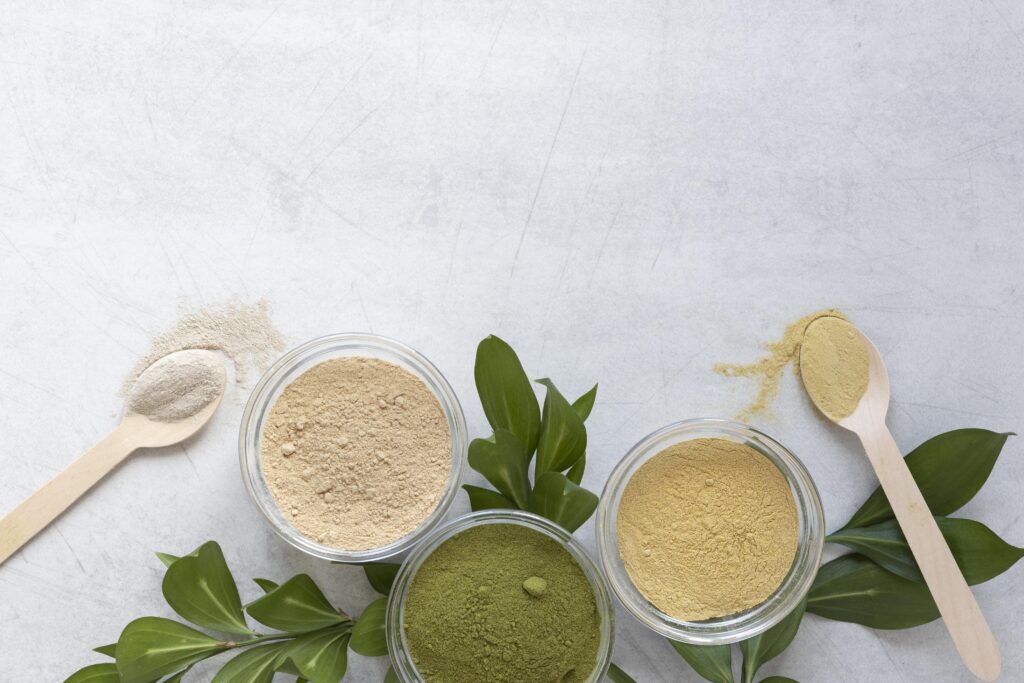
Over the past few years, there has been a noticeable shift in how people choose their daily care products. Instead of harsh chemical cleansers, many are turning toward plant based cleansers that clean gently while supporting the natural balance of hair and skin.Today, many of these natural herbal powders are conveniently available in ready-to-use forms, making it easier for people to include plant-based cleansers in their daily hair and skin care routines.
People are increasingly choosing herbal scalp cleansers, natural face powders, and mild botanical washes because they want products that feel clean, soothing, and closer to nature. In this blog, we explore why mild, plant-based cleansers are gaining popularity and how ingredients like Charcoal Powder, Aritha Powder, Sidr Powder, and Aloe Vera Powder support modern cleansing routines.
Why People Are Moving Toward Plant-Based Cleansers
Plant-based cleansing ingredients are known for working in harmony with the skin and scalp instead of stripping them dry. They cleanse gently while helping maintain natural moisture and balance.
Key reasons for their growing popularity:
• Mild action suitable for regular use
• Support for natural skin and scalp balance
• Fewer harsh chemicals
• Alignment with traditional herbal care
• Suitable for sensitive skin and scalp types
As awareness grows, more people are exploring plant-based cleansing ingredients that are easy to source and blend into everyday hair and skin care routines.
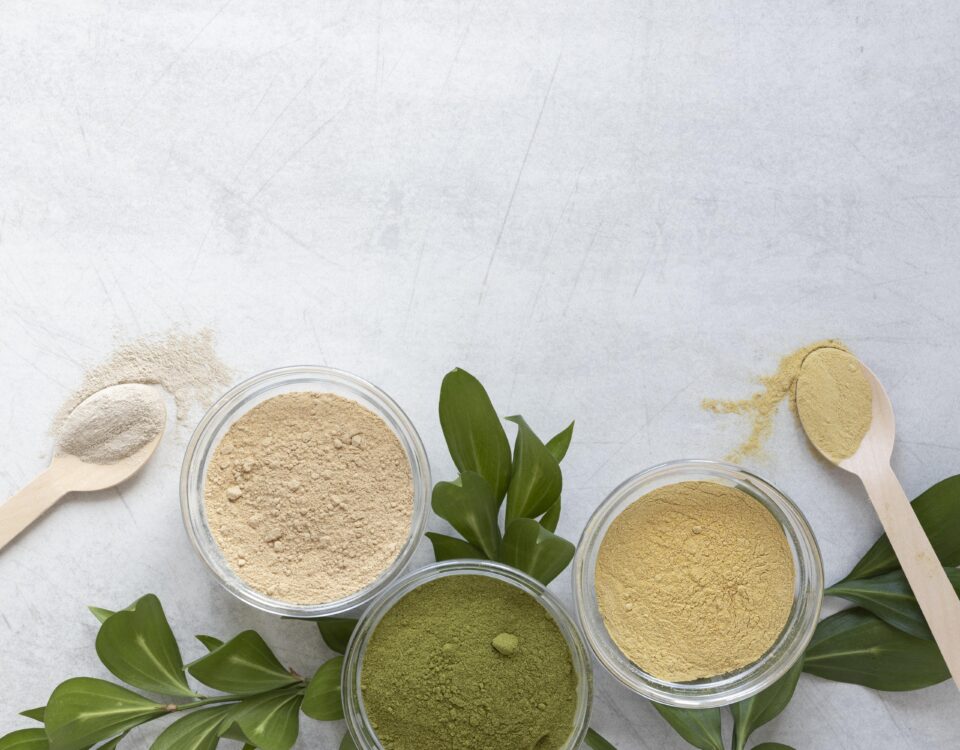
Many of these powders are prepared by trusted herbal ingredient manufacturers and wholesalers, ensuring consistency, fine texture, and purity. This helps plant-based cleansers easily fit into both personal care routines and professional wellness formulations.
Charcoal Powder: A Trusted Natural Deep Cleanser
Among natural cleansing ingredients, Charcoal Powder has become one of the most popular choices. Though widely discussed in modern skincare, charcoal has roots in traditional purification practices.
How charcoal supports cleansing:
• Helps absorb excess oil
• Draws out dirt and impurities
• Supports deep yet balanced cleansing
• Useful in both skin and scalp routines
These natural activated charcoal uses make it a key ingredient in charcoal for deep cleansing masks and scalp purification blends. When processed finely by skilled herbal powder manufacturers and suppliers, charcoal becomes smooth enough for gentle application while retaining its natural absorbent qualities.
Aritha Powder: A Natural Herbal Scalp Cleanser
Aritha Powder, often known as soapnut powder, has long been used in traditional cleansing routines. It produces a gentle cleansing effect without synthetic foaming agents.
Benefits of aritha as a cleanser:
• Naturally cleanses scalp and hair
• Helps remove buildup
• Supports healthy scalp hygiene
• Gentle alternative to harsh shampoos
This makes aritha a popular choice among those searching for herbal scalp cleansers. It is widely sourced and prepared by Ayurvedic manufacturers and wholesalers, supporting both personal DIY users and natural product brands.
Sidr Powder: Mild Cleanser for Sensitive Hair & Scalp
Sidr Powder is valued for its calming nature and mild cleansing properties. It offers a softer approach to scalp care.
Sidr powder benefits include:
• Gentle herbal cleansing
• Helps maintain scalp moisture
• Supports scalp comfort
• Suitable for sensitive or dry scalp
Because of its balanced properties, sidr is often preferred in herbal cleansing routine formulations where comfort and nourishment are equally important. Today, it is carefully processed by natural ingredient suppliers and wholesalers to retain its traditional qualities.
Aloe Vera Powder: Soothing Support in Cleansing Routines
While aloe vera is known for hydration, it also plays an important supporting role in cleansing care. In powdered form, it becomes easy to blend into masks and washes.
Aloe vera powder benefits:
• Soothes skin and scalp
• Supports moisture balance
• Reduces dryness
• Adds comfort to cleansing blends
Aloe vera is used in gentle ayurvedic facial powders and herbal wash recipes. Its refined powdered form is typically prepared by professional manufacturers and suppliers, ensuring it blends well with other plant-based ingredients.
Why Herbal Cleansing Routines Feel Different
Plant-based cleansers are not designed to create strong foam or instant dramatic effects. Instead, they focus on comfort, balance, and maintaining natural wellness.
What makes herbal cleansers unique:
• Work gently rather than aggressively
• Encourage healthy scalp and skin function
• Blend well with other herbs
• Suitable for long-term use
This natural approach has led many people to replace aggressive chemical washes with herb-based alternatives offered by reliable herbal powder wholesalers. This shift toward gentle, herb-based care mirrors the evolution of henna from ancient to modern times, where time-tested traditions continue to influence today’s natural beauty routines
Simple Ways Plant-Based Cleansers Are Used
People use these ingredients in different ways depending on their routine.
Common uses include:
• Charcoal masks for skin freshness
• Aritha-based scalp cleansers
• Sidr scalp wash blends
• Aloe vera calming facial powders
Each ingredient works individually but can also be included in Ayurvedic-inspired herbal blends to create balanced cleansing care.
Conclusion
The rise of plant based cleansers reflects a clear movement toward gentler, nature-inspired care. Ingredients like Charcoal Powder, Aritha Powder, Sidr Powder, and Aloe Vera Powder are valued for supporting clean, balanced, and comfortable skin and scalp care without harsh chemicals.
Thanks to experienced herbal powder manufacturers, suppliers, and wholesalers, these traditional ingredients continue to remain accessible in modern life. As more people explore herbal cleansing routines, plant-based care continues to grow—not as a trend, but as a thoughtful return to simple, natural wellness.
FAQ
How many IITs exist in India as of 2025?
India has 23 IITs as of 2025.
Which IIT is ranked number 1 in India?
IIT Madras holds the number one position according to NIRF 2025 rankings.
What qualification is required to get admission into IITs?
Candidates must clear JEE Main and then qualify JEE Advanced to be eligible for admission into IITs.
What is JoSAA and why is it important?
JoSAA (Joint Seat Allocation Authority) manages the counselling and seat allocation process for all IITs, ensuring transparent and centralized admissions.
How many B.Tech seats are available at IIT Madras in 2025?
IIT Madras offers 1,121 B.Tech seats in 2025.